
ReGen approvals

Approvals experts navigating major projects through Western Australia's regulatory landscape

We coordinate the full approvals pathway, from pre-feasibility through formal assessment to financial close, led by environmental approvals and EPA specialists, registered lobbyists, and senior government practitioners.

  • ReGen Government Relations Engagement Hero M
    Icons white v1

    Approvals Navigator

    Approvals coordinated, from concept to conclusion.

    Approvals Navigator services

    We work with you at the concept and pre-feasibility stages, before formal environmental approvals are triggered. Early engagement is the single biggest lever for reducing approvals risk and timeline later in your project, particularly as WA’s renewables sector navigates rising community expectations.

    • Map your Western Australia approvals pathway before committing to a site or development timeline
    • Identify the right CEFC and ARENA funding programs and build relationships well before rounds open
    • Develop your government and ministerial engagement strategy ahead of formal obligations being triggered
    • Guide site selection using community, political, and environmental intelligence
    • Scope community and First Nations consultation strategy from the outset
    • Coordinate with your engineering and technical partners so feasibility work aligns with approvals from day one

    We scope, tender, and coordinate the specialist technical studies required for EPA Part IV, EPA Part V, EPBC Act, Mining Act, Aboriginal Cultural Heritage Act, and clearing permit assessments. We handle agency coordination with DWER, DMIRS, and DCCEEW directly, and our approach reflects how social licence is now built into formal approvals outcomes across resources and energy projects in Western Australia.

    • Navigate EPA Part IV and Part V referrals and assessments
    • Manage EPBC Act referrals and Commonwealth assessment processes
    • Prepare mining proposals, mine closure plans, clearing permits, and works approvals
    • Coordinate Aboriginal Cultural Heritage Act approvals alongside specialist social performance practitioners
    • Scope, tender, and manage the specialist technical studies behind every referral
    • Build documentation to investor-ready, Equator Principles, and IFC-aligned standards from the outset

    We build and sustain the government relationships your project needs, before you need them. We warm up CEFC and ARENA relationships ahead of funding rounds, position for the National Reconstruction Fund and Powering Australia programs, and keep ministerial engagement active across your project lifecycle. Our perspective on how the current funding landscape is evolving is captured in The Resilience Budget.

    • Warm up CEFC and ARENA relationships well before funding rounds open
    • Position your project for the National Reconstruction Fund and Powering Australia programs
    • Align State and Commonwealth support so Federal funders are confident your project is investable
    • Maintain active ministerial office relationships so decision-makers know your project early
    • Operate as registered lobbyists under the WA Register of Lobbyists and Lobbyists Code of Conduct
    • Advocate for your project at funding rounds, approvals decisions, and procurement processes

    Getting the right position in the SWIS connection queue requires early, well-managed engagement with Western Power, Synergy, and AEMO. We handle these relationships at the right level so the technical, commercial, and social approvals workstreams move in the same direction. The shifts in WA’s critical minerals sector show why early energy agency engagement now sits inside the approvals process, alongside the regulatory work.

    • Manage Western Power, Synergy, and AEMO engagement at a practitioner level
    • Position your project ahead of SWIS connection queue dynamics
    • Translate between technical project detail and the energy regulators and agencies
    • Long-standing relationships with Western Australia’s energy regulators, approval bodies, and energy market bodies
    • Coordinate energy approvals alongside environmental approvals so workstreams move together

    We provide culturally respectful, IAP2-aligned community engagement, social impact assessment, and community contribution frameworks. Our work is aligned to the WA State Government Community Benefits Guidelines and to the expectations set by institutional lenders and offtake partners.

    • Design community engagement programs from the pre-feasibility stage onwards
    • Deliver social impact assessment work that feeds directly into approvals documentation
    • Develop benefit sharing frameworks aligned with the WA Community Benefits Guidelines
    • Coordinate First Nations consultation alongside specialist practitioners following cultural protocols
    • Bring more than 20 years of WA resource and energy sector engagement experience
    • Apply IFC Performance Standard 1 and IAP2 best practice across every engagement, with our perspective on why stakeholder engagement so often fails captured on The Insider

    We build your Equator Principles and IFC-aligned ESG documentation from Day 1. Your project’s environmental and social credentials are structured to meet the expectations of lenders, investors, and government funders from the start, so they support financial close as an asset to the deal. Read more in Beyond compliance: why early action on sustainability pays off.

    • Build IFC Performance Standards and Equator Principles compliant ESG documentation from day one
    • Prepare investor-ready environmental and social credentials for lenders, investors, and government funders
    • Lead AASB S2 climate disclosure preparation for the parent entity so project and corporate reporting align
    • Coordinate ESG due diligence across approvals, community, and finance workstreams, drawing on our perspective on integrated reporting and combined reporting
    • Draw on international project finance experience from World Bank, IFC, and EBRD mandates
About

The Approvals  
Navigator

One team, end to end:

The Approvals Navigator is a joint offering from ReGen Strategic and Tactica Advisory, built for project developers navigating Western Australia’s environmental approvals landscape. We bring approvals, environmental, government relations, and community engagement expertise under a single team, from pre-feasibility through formal assessment to financial close.

Direct relationships with WA regulators and agencies:

Our consultants work daily with the EPA, DWER, DMIRS, and DCCEEW. We are registered lobbyists under the WA Register of Lobbyists, IAP2-accredited engagement practitioners, and approvals specialists experienced across EPA Part IV and Part V referrals, EPBC assessments, and State Agreement negotiations.

Built for complex approvals pathways:

We are built for projects where the approvals path is not obvious. SWIS-connected renewables, critical minerals across the Pilbara, Goldfields, and Mid West, housing and industrial proposals needing ministerial engagement alongside formal assessment, and green hydrogen projects balancing EPA, EPBC, Native Title, and funding agency expectations together.

Who we work with:

We work with renewable energy and BESS developers, critical minerals producers, industrial decarbonisation projects, major mining and industrial expansions, manufacturing and industrial zone proponents, and major housing and mixed-use developers across Western Australia’s resources, energy, infrastructure, and major development sectors.

Case Study

Talison Lithium

Greenbushes expansion

The challenge

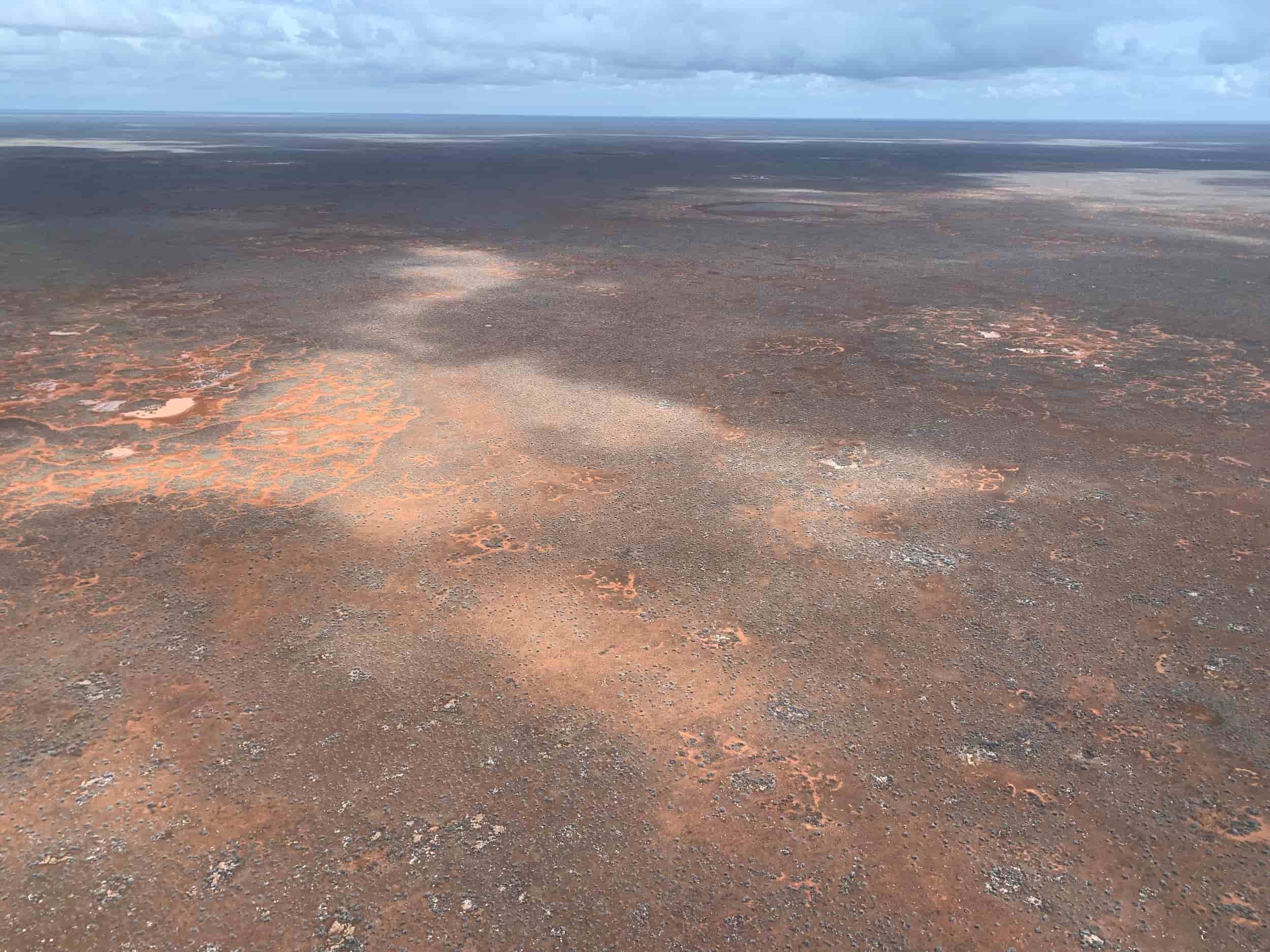
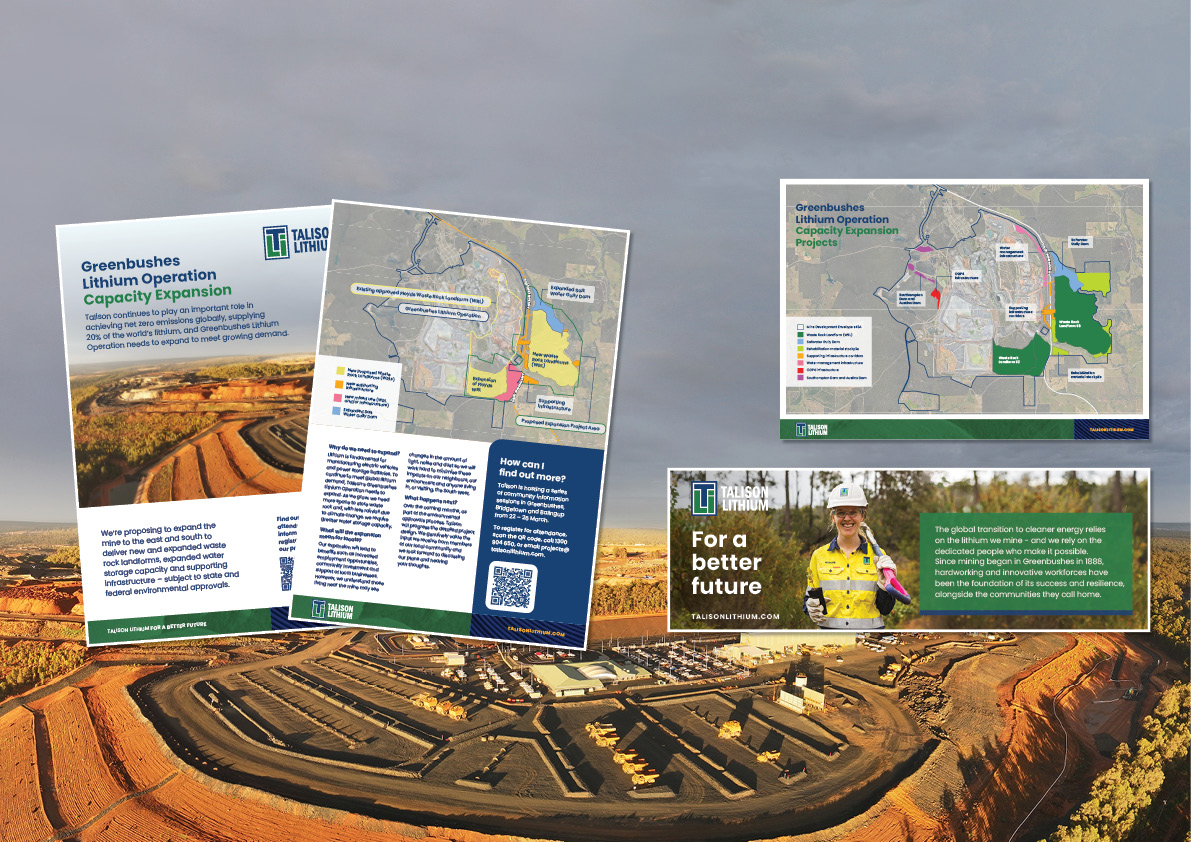
Talison Lithium's major capacity expansion at Greenbushes required an EPA referral and Commonwealth environmental approval in a complex engagement environment, with significant social and environmental sensitivities. Approvals timelines depended on social impacts being thoroughly understood and built into the referral documentation.

Talison page
Image Credit: Talison Lithium

The pathway

We led a comprehensive social impact assessment to underpin Talison’s EPA referral, identifying the mitigation measures and biodiversity offset framework that anchored Talison’s commitments. A multi-year IAP2-aligned stakeholder engagement program ran in parallel, coordinating more than 1,000 interactions and a Stakeholder Reference Committee.

The result

Talison's EPA referral was supported by a robust assessment record and clear evidence of social impacts being identified, mitigated, and built into project design. Sustained stakeholder relationships and the ongoing Stakeholder Reference Committee continue to underpin both State and Commonwealth approvals processes.

Visit Greebushesexpansion page

Case Study

BLT Energy

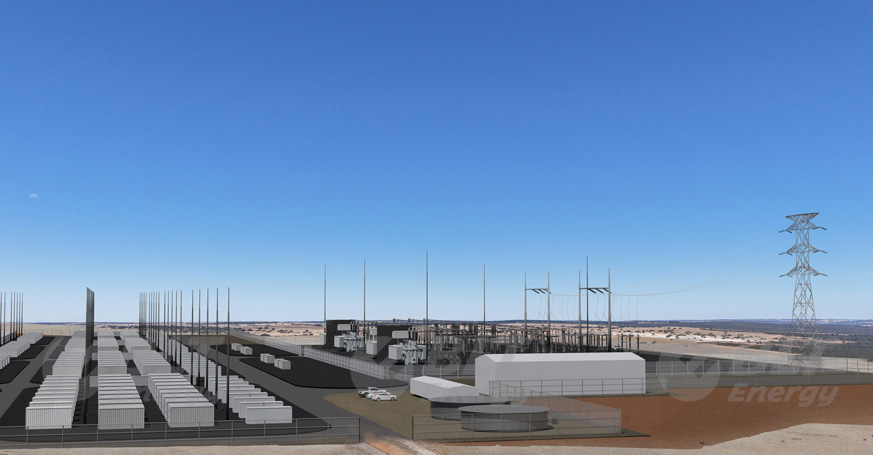
Red Gully BESS, Shire of Gingin

The challenge

BLT Energy required a clear approvals pathway for its Red Gully battery energy storage system (BESS) in the Shire of Gingin, navigating planning, environmental, Aboriginal heritage, and SWIS connection requirements as a new market entrant without an established regulatory or community footprint.

BLT Energy
Image credit: Red Gully BESS

The pathway

We mapped the full approvals pathway and led coordination across planning, environmental, and Aboriginal cultural heritage processes, alongside SWIS connection engagement with Western Power. A structured stakeholder and government engagement program supported the approvals work, including landholder engagement and coordination with the Yued Aboriginal Corporation.

The result

BLT Energy's approvals pathway is established and progressing, with early agency engagement and a clear regulatory strategy supporting a credible position with planning authorities, energy regulators, and Traditional Owners. The project is moving through approvals with social licence foundations firmly in place.

Case Study

InterContinental Energy

Western Green Energy Hub

The challenge

Intercontinental Energy is developing two of Australia's most significant large-scale renewable energy projects, operating across complex policy, regulatory, and community environments with multiple jurisdictions, evolving policy settings, and heightened public scrutiny.

Western green energy hub
Image Credit: WGEH and InterContinental Energy

The pathway

We have supported Intercontinental Energy since May 2023 as a strategic partner across government relations, approvals positioning, sustainability, and communications, translating technical project detail into credible narratives for decision-makers and managing engagement through significant periods of commercial change.

The result

Intercontinental Energy is recognised as a credible, trusted proponent by senior government stakeholders across multiple jurisdictions. Both projects are clearly positioned as policy-aligned and nationally significant, with approvals pathways, sustainability commitments, and communications strongly aligned. Our wider view on the policy landscape that frames these projects is captured in A State of resilience.

FAQ

Frequently 
asked questions

Timelines vary significantly by approval pathway and project complexity. An EPA Part IV referral may take 6 to 12 months if assessed at the Environmental Scoping Document level, and 18 to 36 months for a Public Environmental Review. EPBC Act controlled action assessments typically take 12 to 24 months and run in parallel with State assessment. Mining Act proposals, clearing permits, and works approvals run on separate clocks and can usually be sequenced to finish alongside the primary assessment. We help clients map these clocks early and pull the levers that compress them where we can.

EPA Part IV of the Environmental Protection Act covers significant new proposals or expansions of existing projects that have a high likelihood of material environmental impact. These are referred to the Environmental Protection Authority and assessed through a formal process. EPA Part V covers operational licensing, prescribed premises approvals, and works approvals and clearing permits administered by the Department of Water and Environmental Regulation (DWER). Most major projects in WA require both a Part IV approval to build and a Part V licence to operate. We scope, tender, and coordinate documentation for both pathways.

Often yes. If your project is likely to have a significant impact on a matter of national environmental significance, such as a listed threatened species, a Ramsar wetland, or the Great Barrier Reef, you will need EPBC Act approval from the Commonwealth in addition to any State approvals. Under the bilateral assessment arrangement between the Commonwealth and WA, a single assessment process can usually be used, but two separate decisions are still required. We manage the coordination so the two pathways do not pull in different directions.

Large-scale solar, wind, battery energy storage, and green hydrogen projects in WA typically need to work through a combination of EPA Part IV referral, EPBC referral, Aboriginal Cultural Heritage Act requirements, clearing permits, works approvals, planning approvals, and, for SWIS-connected projects, Western Power and AEMO connection approvals. Benefit sharing arrangements and community engagement are also now a practical requirement under the Australian Energy Infrastructure Commissioner’s guidelines. We help developers sequence these workstreams so they reinforce the financial close timeline.

Yes. We advise clients on program fit, positioning, and engagement with the Clean Energy Finance Corporation, the Australian Renewable Energy Agency, the National Reconstruction Fund, Powering Australia programs, and relevant State co-investment schemes. Our role is to help you understand which programs align with your project, how to position the proposal to match program objectives, and how to build relationships with the right decision makers ahead of funding rounds. We work in partnership with specialist grant writers when hands-on application drafting is required.

Earlier than most proponents expect. By the time the referral documentation is being drafted, many of the decisions that shape the assessment outcome, including site selection, design choices, stakeholder relationships, and political positioning, have already been locked in. Our strongest recommendation is to engage at pre-feasibility, before site and technology choices are irreversible, so your approvals strategy informs those decisions from the outset. If your project is already in assessment and is running into trouble, we can also step in for recovery work.