The Insider/
Social performance is earned, not just reported
Across WA’s resources, energy, and infrastructure sectors, a gap is widening between what organisations report under their sustainability frameworks and what affected communities actually experience.
That gap carries real consequences – regulatory, reputational, and financial. Understanding it isn’t just a matter of better communications strategy; it requires a fundamental rethink of how social performance is reported.
The report is not the relationship
Sustainability frameworks aim to bring rigour and transparency to corporate conduct. At their best they do exactly that, but they are primarily reporting instruments – mechanisms for communicating performance to capital markets, regulators, and boards.
Communities living next to proposed developments are rarely the intended audience for sustainability reports. And yet these are precisely the people on whose goodwill, trust, and consent a project ultimately depends.
The structural problem is this: sustainability reporting is backward-looking and periodic. It captures what happened in a reporting year whereas community engagement, when done well, is forward-looking and ongoing.
It shapes decisions before they’re made, adjusts project design, and builds trust across the full project lifecycle – not just the formal consultation phase, and not when the report is due.
When organisations conflate the two, i.e. when the sustainability report becomes the evidence of engagement rather than the outcome, a document is produced that looks like accountability but functions like a shield. It satisfies an obligation without addressing the underlying relationship.
Sustainability frameworks describe a relationship. Genuine community engagement builds one.
When the framework isn’t enough
There’s a structural problem at the heart of how sustainability and community engagement have evolved in Australia.
Sustainability policies and community engagement obligations have largely been designed to document and report interactions with communities, but not necessarily to ensure that those communities could genuinely influence decisions.
In practice, it’s the difference between a process and a relationship.
A recent report found that while 89 per cent of ASX100 companies report on community engagement, that reporting is typically shallow – focused on donations and sponsorships rather than the quality of relationships with affected communities. In other words, organisations are counting inputs; not measuring outcomes.
The communities on the receiving end of this approach know the difference. The Australian Energy Infrastructure Commissioner’s (AEIC) community engagement review, released in February 2024, surveyed landholders and community members with direct experience of engagement on renewable energy projects.
It found that 92 per cent of respondents were dissatisfied with how project developers engaged their local communities. Not because they were excluded from processes but because participating in those processes did not change outcomes.
Importantly, 89 per cent said the information they received was not relevant to their concerns and 85 per cent were dissatisfied with the responses to their questions.
In WA, the scale and pace of resources and energy development means that some communities are navigating multiple concurrent project processes – often across overlapping proponents, government agencies, and regulatory frameworks.
This means that the social performance in sustainability reports is being tested in communities where the people described in those reports have very different accounts of what engagement actually occurred.
With increased focus on Australia’s renewable energy future, WA’s land mass, solar and wind resources, and critical minerals make it indispensable to the national decarbonisation agenda.
The infrastructure required to realise that future is, for the most part, being proposed in regional and remote areas where community relationships are complex, First Nations interests are live, and consultation fatigue is a growing and legitimate concern.
While WA’s State Development Act has created new streamlined pathways for projects of strategic or economic significance, it doesn’t reduce the need for trust. Fast-tracked approvals without fast-tracked community trust isa recipe for conflict.
What social performance reporting actually requires
The social component in sustainability reporting is the least codified and arguably the most consequential. Environmental metrics can largely be measured and verified. Governance structures can be audited. But social licence cannot be manufactured through a reporting cycle. It’s built through sustained, respectful, two-way relationships. In the WA context, that has several specific implications.
1. First Nations engagement is not generic
The diversity of Country, community governance structures, and Traditional Owner relationships across the state cannot be addressed with a standardised engagement template. Culturally appropriate engagement requires proper resourcing, sufficient time for communities to do their own internal decision-making, and a genuine willingness to let what’s heard shape what’s built.
2. Engagement must precede decisions
The AEIC’s community engagement review found that the most common underlying cause of dissatisfaction was engagement initiated after project considerations were already fixed. Communities were consulted on a decision, not in the making of one.
This pattern is embedded in project development culture. Regulatory consultation windows create defined engagement phases, organisations fill those windows, and the process is documented. But communities can reliably distinguish between consultation that could change an outcome and one that cannot. When the latter is presented as the former, trust erodes faster than it was built.
3. Closing the loop is not optional
Engagement that doesn’t report back on how input from the community was used (or why it wasn’t), and what happens next doesn’t build social licence; it depletes it. Consultation fatigue is a documented and escalating problem. Multiple overlapping project processes, agency consultations, and planning inquiries compound on each other. Organisations that break through the fatigue close the loop deliberately, demonstrating that they listened and what they heard made a difference.
Sustainability reporting as an outcome, not the substitute
The most credible sustainability report is the one that communities helped write because their voices shaped the decisions it describes. Sustainability reporting built on the evidence of genuine engagement, is what differentiates a report that builds confidence from one that merely satisfies a disclosure obligation.
The question for project proponents is whether their community engagement practice is strong enough to substantiate the social claims they report.
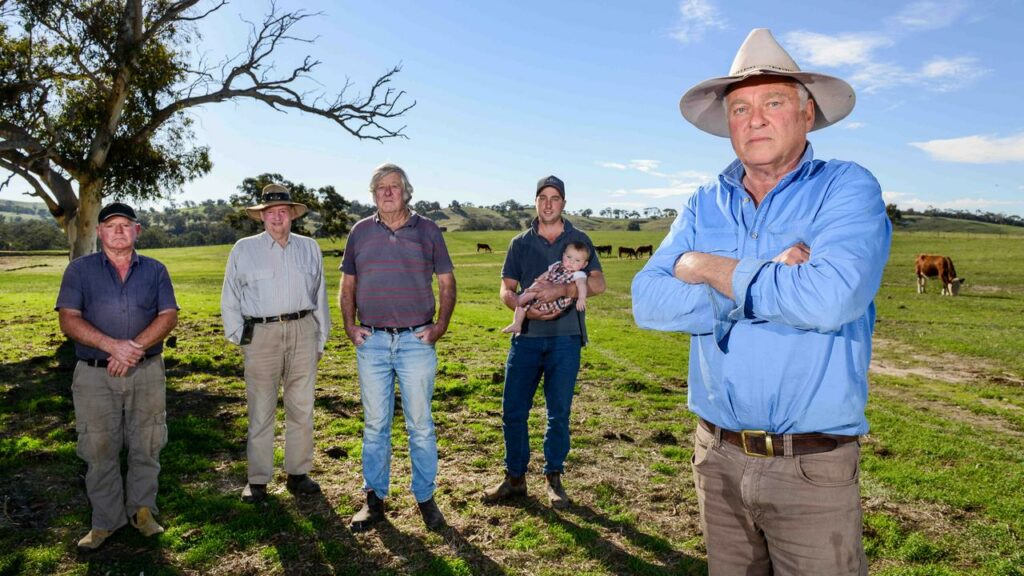
Image source: The Advertiser